Rita Macedo
Rita Macedo lives and works in Berlin. Her practice takes moving image as its point of departure, understanding film as a privileged site of both artistic and research-based production. In Macedo’s work, cinematic, textual, and spatial means are differentiated in order to make their everyday entanglements tangible and fundamentally rework the relations between them. Her practice is therefore concerned above all with questions of perception, the production of subjectivity and its limits, and the forms of death it takes. Macedo investigates the infrastructures through which subjectivities become livable and legible.
Her work has been shown internationally at film festivals and in exhibitions since 2010, most recently at IndieLisboa (Lisbon, 2025), the European Media Art Festival (Osnabrück, 2023), Kurzfilm Festival Hamburg (2024), Kunsthalle Osnabrück (2023), and Kasseler Kunstverein (2024). In 2023, she also received the Grand Prize of the German Competition at Kurzfilm Festival Hamburg.
Interim Professor of the Foundation Class Film/Video at the Braunschweig University of Arts
PhD Candidate in the Binational Artistic PhD Program at the University of the Arts Bremen
Film programmer for the International Selection of European Media Art Festival (EMAF)
rita.macedo.inbox[at]gmail[dot]com
@rita_void
Non film in three acts and a prelude
Film • 12′ 30″ • sound (ST) • PT w/ EN subtitles • 2010
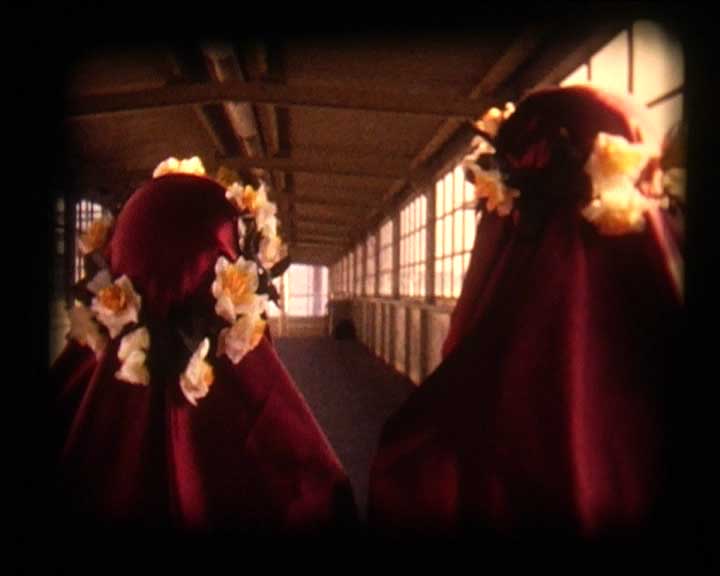
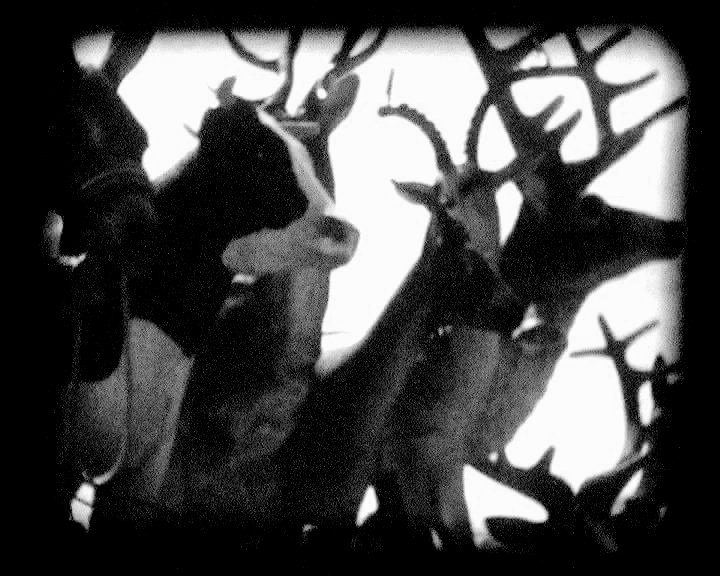
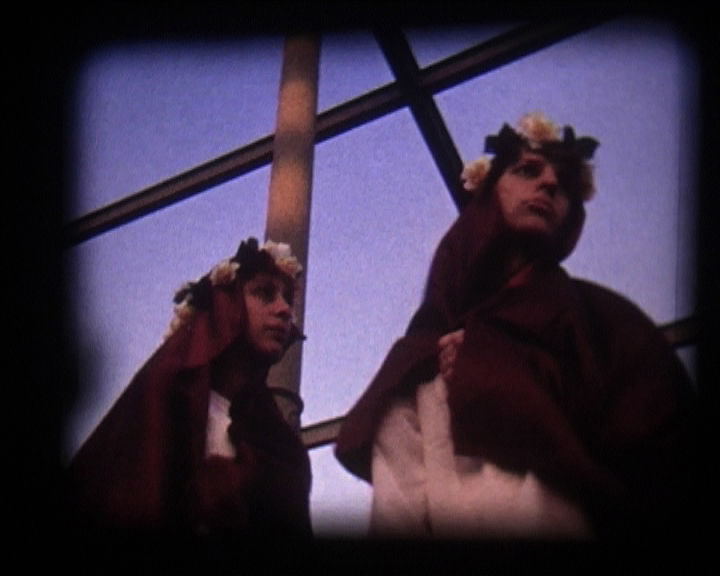
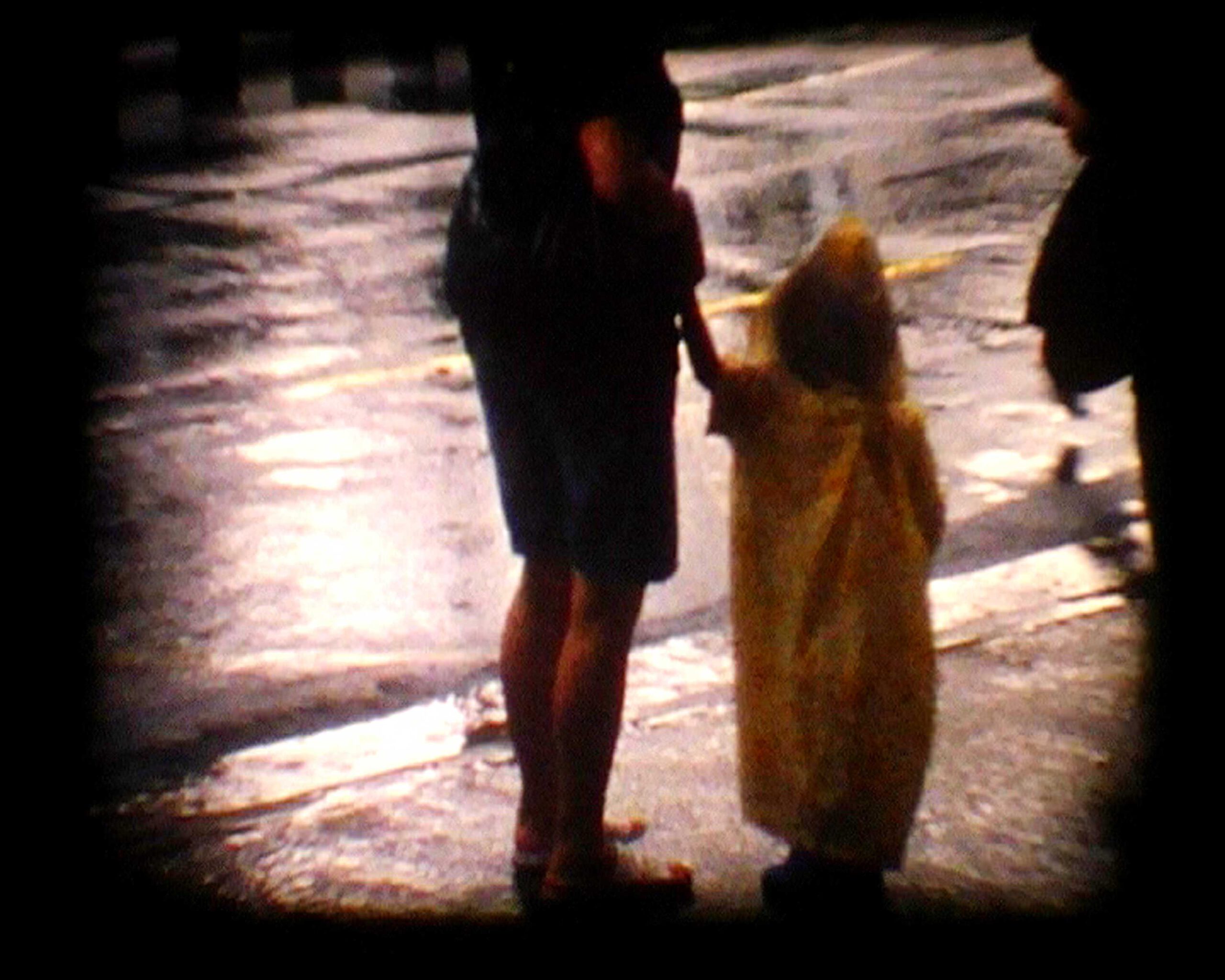
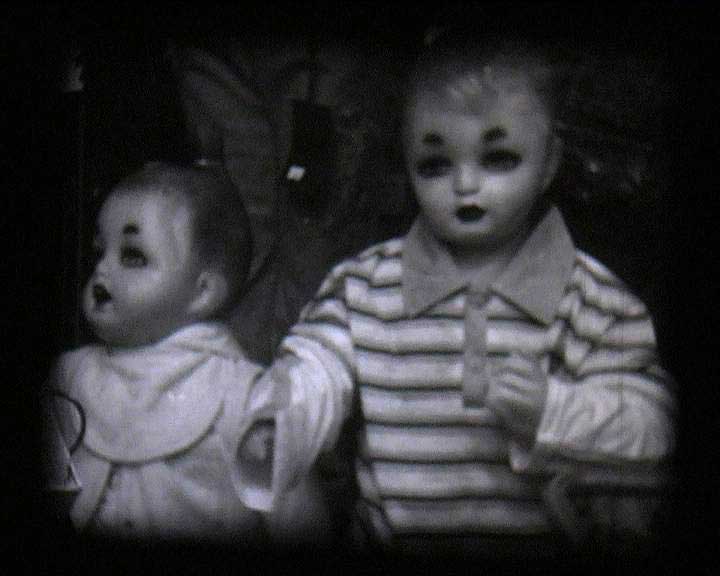
“Non-film in Three Acts and a Prelude” is a film that stages its own demise. Shot entirely on Super8, the film presents a sequence of disjointed encounters in which speaking heads lose sense, dialogue undoes itself and dramaturgy becomes a problem rather than a guide. Through surreal logic, recursive gestures, and formal sabotage, the film performs its own unraveling by refusing closure, character, or stable address. What emerges is a non-film that wrestles, mournfully and absurdly, with the boundaries of speech, representation, and the act of making meaning.
“Non-film in Three Acts and a Prelude” enacts a critical engagement with cinematic structure from within its most familiar coordinates. Framed around the recognizable architecture of a classical play, the film introduces a narrative grid, only to steadily erode itself. While maintaining an overall formal consistency, each section bends the conventions of voice, image, and character just enough to disorient: narration breaks apart mid-sentence, speech overlaps itself, and figures resist narrative continuity. The work’s internal language is one of contradiction: restless and formally unruly.
The film draws on traditions of performative absurdism and experimental cinema but maintains a distance from both. It neither satirizes nor venerates its own form. Instead, it oscillates between earnest address and conceptual deflation, tearing at the very expectations it initially sets. The Super8 materiality functions not only as texture but as residue, suggesting temporal distance and mechanical fragility.
“Non-film” functions less as a narrative than as a rehearsal: of failed meaning, broken speech, and incompatible registers of expression. Its refusal to resolve or stabilize does not point toward nihilism, but toward a generative discomfort: an opening through which dissonant modes of making and viewing might surface.
Written, directed and edited by Rita Macedo • Camera Stefan Butzmühlen, Rita Macedo • Cinematography Stefan Butzmühlen, Vika Kirchenbauer, Stefan Neuberger • Sound Capture Manuel Vogt, Rob Santaguida, Vika Kirchenbauer • Sound design Rita Macedo